Digital goods for whatever you're into, & whatever you sell.

Life With Pets · Roundup
What to Leave for Your Pet Sitter: Instructions, Checklists & Printables

Updated November 11, 2026 · 8 minute read · 8 goods featured
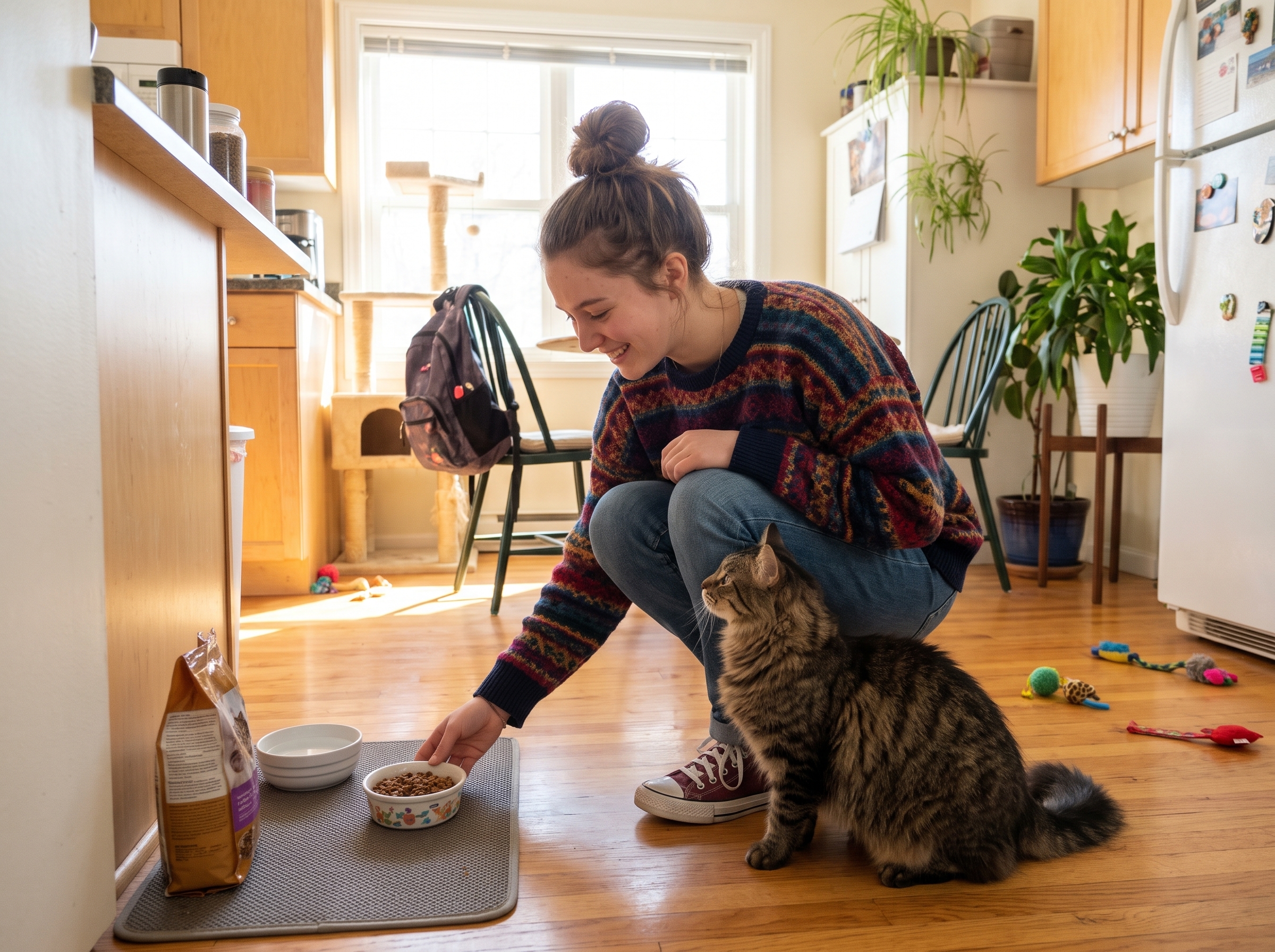
Leaving your pets in someone else’s care can be surprisingly emotional. Even when you’ve found someone wonderful, there’s that little worry in the back of your mind. Will they understand your dog’s bedtime routine? Will they recognize when your normally affectionate cat wants to be left alone? Will your pets feel comfortable while you’re gone?
When you share your home with animals, you get to know them in ways that are difficult to explain to someone else. You recognize their moods, their little habits, and the things that make them feel safe. Putting together some thoughtful pet sitter instructions is one way to share that understanding with the person caring for them.
Whether you’re heading away for a weekend or planning a longer trip, a few well-prepared notes can help your sitter get to know your pets and make their time apart from you a little easier.

Pet Sitter Instructions: Helping Someone Get to Know Your Pets
There’s a difference between knowing how to care for a dog or cat and knowing how to care for your dog or cat.
Your sitter may have years of experience with animals, but they won’t necessarily know that your dog likes someone to sit nearby while they eat, or that your cat usually spends the afternoon sleeping somewhere nobody can find them.
These details might seem small, but they’re part of what makes your pets feel at home.
Along with the usual feeding times and daily routines, think about what you’d want someone to understand about their personalities. Are they shy around new people? Do they have a favorite place to sleep? Is there something that reliably frightens them or helps them relax?
It’s also helpful to mention what normal behavior looks like for each pet. A cat who hides during visits may be perfectly content, while a usually sociable cat who suddenly disappears could be telling you something is wrong.
You don’t have to write a biography of every animal in the house. Just share the things that would help someone care for them with the same thoughtfulness you do.

Pet Sitter Checklist: What to Leave Before You Go
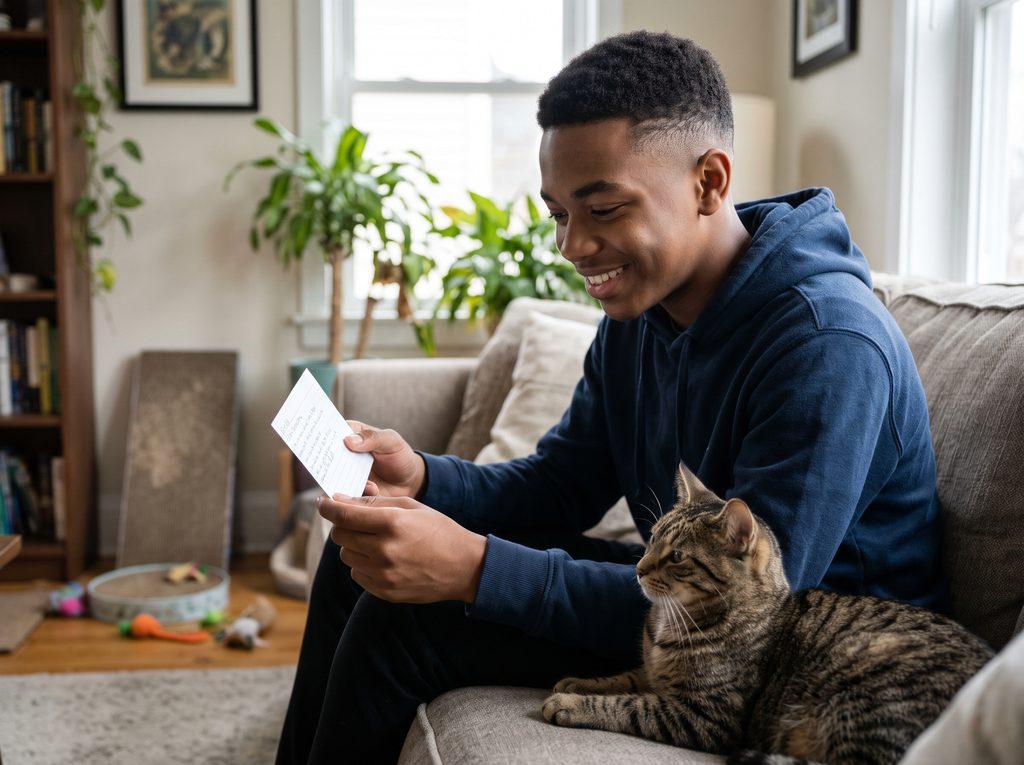
Even when you’ve explained your pets’ personalities and routines, there are still practical details your sitter will need throughout the day.
Having everything written down means they won’t have to search through old messages or worry about forgetting something important.
Everyday care
- Each pet’s name, feeding schedule, and usual portions
- Food preferences, treats, and dietary restrictions
- Walks, playtime, and exercise routines
- Medication names, prescribed doses, and schedules
- Favorite sleeping places and bedtime routines
- Fears, sensitivities, and behaviors worth knowing about
Contacts and household information
- Your phone number and another way to reach you
- Your veterinarian’s name and contact information
- The nearest emergency veterinary clinic
- A trusted local contact in case you’re unavailable
- House keys, entry instructions, and security information
- Locations of food, medication, carriers, leashes, and cleaning supplies
- What to do if a pet becomes ill, is injured, or gets loose
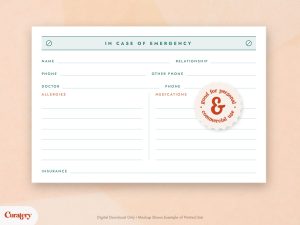
It’s worth having a conversation about emergencies before you leave, too. Your sitter should know who to contact, where to take your pet, and what arrangements you’ve made for veterinary care if they can’t reach you immediately.
Keep the information somewhere easy to find, preferably all together.
What to Leave for a Dog Sitter
Dogs often find comfort in familiar routines, especially when their favorite person isn’t home.
If your dog has a particular way they like to start the morning or a favorite walking route, sharing those details can help your sitter keep things feeling familiar.
Walks deserve a little extra attention. Let your sitter know how your dog behaves around other animals, whether they’re nervous around traffic or unfamiliar people, and which harness or leash you normally use.
Some dogs are happiest exploring new places, while others are much more comfortable sticking to the neighborhood they know.
Meals can have their own little rituals, too. Perhaps your dog prefers to eat in a quiet room, or needs to be fed separately from another pet. These are things that become second nature when you live together but might not be obvious to someone visiting for the first time.
And don’t forget to share the things your dog enjoys. Their favorite toy, a game they never tire of, or the spot where they like to settle down after a walk can help your sitter make their days a little more enjoyable.
Cat Sitter Instructions: Making Your Cats Feel Comfortable
Cats can be particularly sensitive to changes in their environment, and having someone unfamiliar come into the house may take a little getting used to.
Some cats will happily greet a visitor at the door. Others may prefer to watch from a distance or spend most of the visit tucked away in a favorite hiding place.
If your cat is shy, let your sitter know how much interaction they’re comfortable with. A sitter who understands that your cat prefers a little space won’t feel the need to coax them out unnecessarily.
Litter box habits are another important thing to explain. Include where the boxes are located, how often they’re cleaned, and anything unusual your sitter should watch for.
If you have more than one cat, individual notes are especially helpful. Cats sharing a home don’t always share the same food, routines, or preferences.
A few things worth mentioning include:
- Favorite hiding places and sleeping spots
- Feeding routines and any special diets
- Litter box locations and cleaning habits
- Whether your cat is strictly indoors
- Doors or windows that need extra attention
- How your cat usually responds to visitors
- Favorite toys and ways they enjoy interacting
If your cat has a particular habit that might worry someone unfamiliar with them, mention that as well. Knowing what’s typical makes it easier for your sitter to notice when something genuinely needs attention.

When Your Pet Needs Medication or Special Care
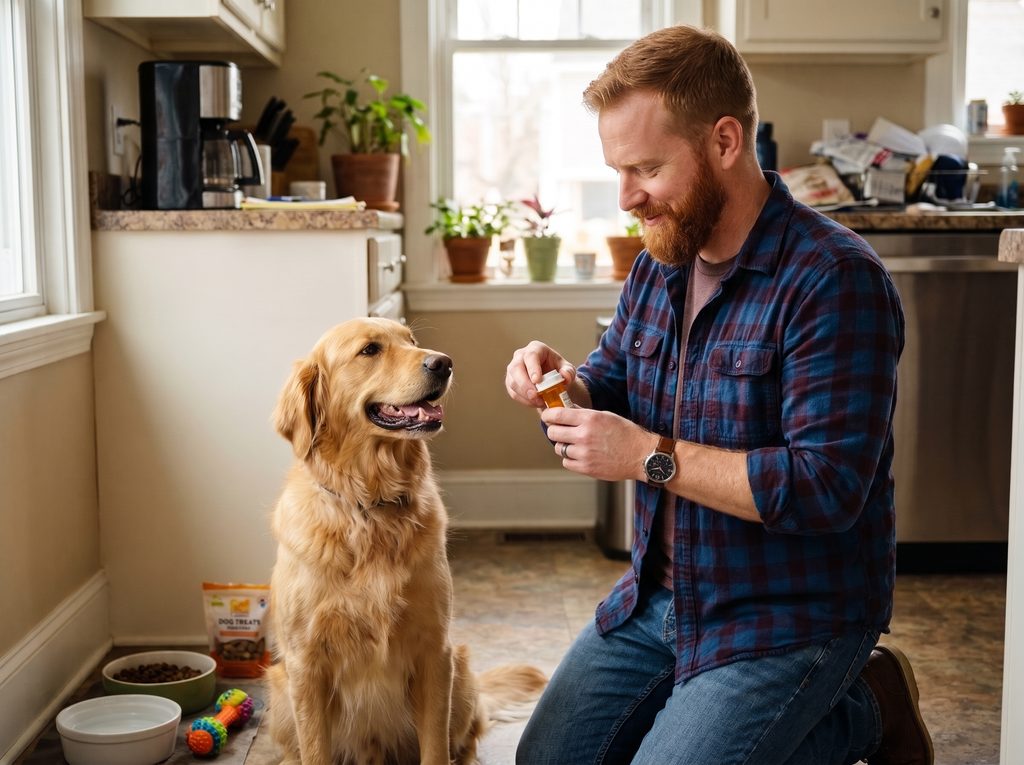
If your pet takes medication or has a health condition, you may feel especially nervous about leaving them.
It’s completely reasonable to want reassurance that someone else understands their care routine.
Rather than relying on written notes alone, arrange some time to walk your sitter through anything that requires special attention. Show them how you normally give medication, where everything is kept, and what your veterinarian has advised.
Leave the medication’s name, prescribed dose, and schedule in writing, along with instructions for what to do if your pet refuses a dose or something doesn’t go as expected.
For pets with ongoing medical needs, it can also help to explain which symptoms are normal for them and which would require a call to the veterinarian.
If their care is complicated, a practice visit before your trip gives everyone a chance to become more comfortable with the routine.

Keeping a Daily Pet Care Log
One of the nicest things about having a pet sitter is receiving those little updates that let you know everyone is doing well.
A photograph of your dog enjoying their afternoon walk or a message that your shy cat finally came out to say hello can be wonderfully reassuring when you’re away.
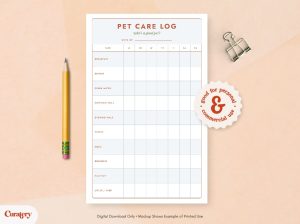
A daily pet care log adds a little structure to those updates.
Your sitter can record meals, walks, medication, litter box cleaning, and anything unusual they notice. It doesn’t have to be formal or time-consuming, just a simple record of how things are going.
This can be particularly useful when pets need medication or when more than one person is helping with their care. Everyone can see what’s already been done without having to guess.
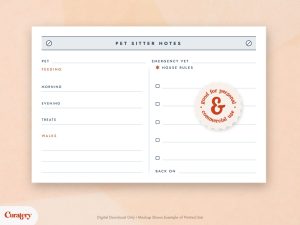
You can leave a small notebook, a printed daily log, or whatever your sitter prefers to use.
Making Your Home Ready for the Sitter
Before you leave, it’s worth spending a little time making sure your sitter has everything they need.
Having enough food, litter, medication, and other supplies on hand means they won’t have to make unexpected shopping trips. A little extra is helpful in case your return is delayed.
Show them where the essentials are kept, how to access the house, and anything unusual about the locks or security system.
If this is their first time caring for your pets, an introduction while you’re still home can be especially helpful. It gives your animals a chance to meet them in a familiar setting and allows your sitter to see how you normally interact with them.
You can also talk about updates before you go. Perhaps you’d love a quick photograph each evening, or maybe a short message after each visit would help you relax.
Most sitters are happy to work out a routine that keeps you informed without interrupting their time caring for your pets.
Leaving Them in Good Hands
No one knows your pets quite the way you do. That’s part of what makes leaving them with someone else feel like such a big thing, even when you’re only going away for a few days.
But a caring sitter doesn’t have to know everything you know. They just need a chance to understand the animals they’ll be looking after, along with the information that helps them feel confident in their care.
A little preparation can make that possible, giving your pets the comfort of familiar routines and giving you one less thing to worry about while you’re away.

More inside Life With Pets
Keep exploring.
Find more roundups and tutorials gathered in this Nook.


Join in
Discussion